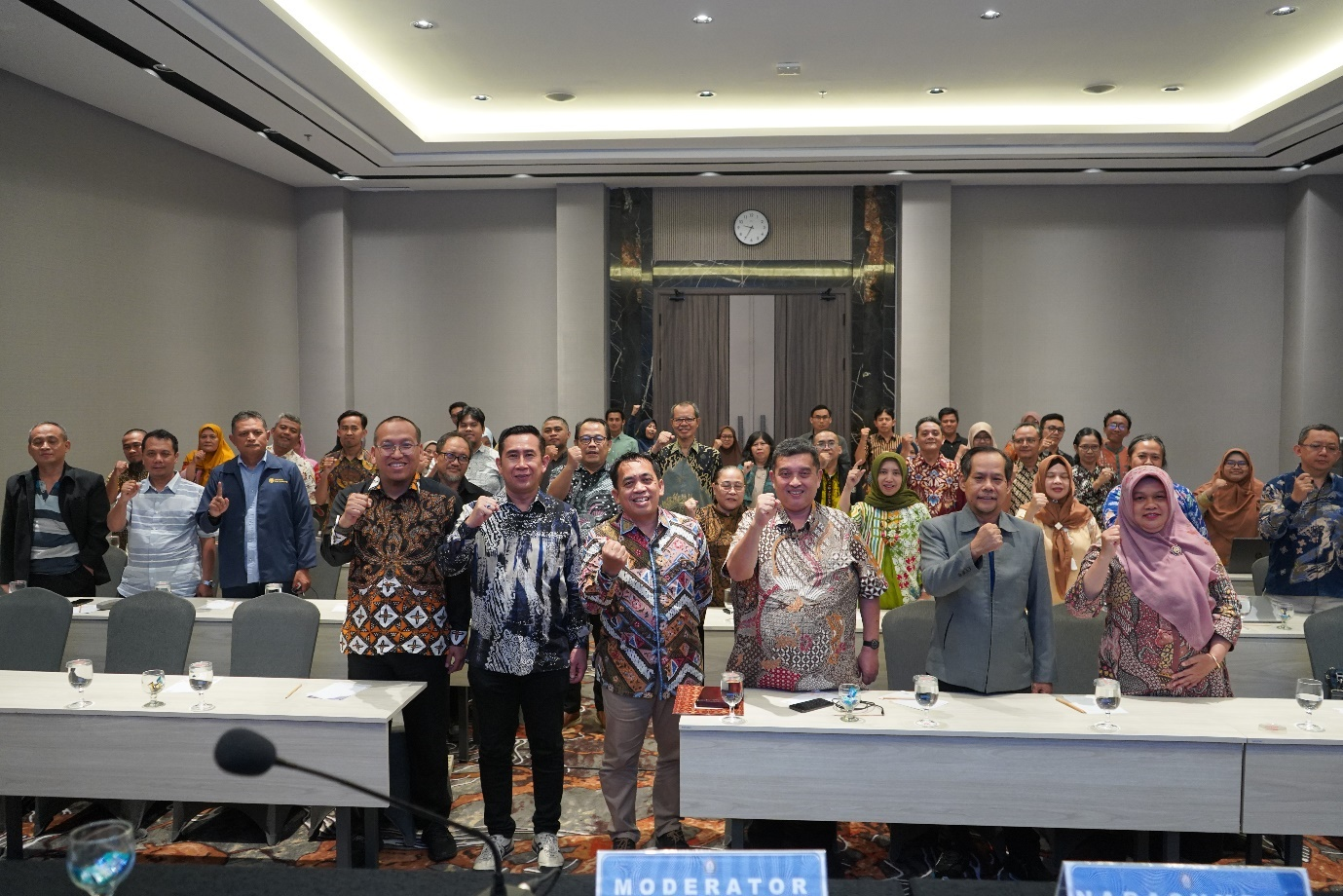
The Faculty of Science and Mathematics, Diponegoro University (FSM UNDIP) held a Workshop on Strategies for Achieving QS World University Rankings by Subject 2026: Strengthening Reputation, Publications, and Collaboration on 21–22 November 2025 at Prime Plaza Hotel Salatiga. The event was attended by the faculty leadership, heads of departments, heads of study programs, the Faculty Quality Assurance Team (TPMF), as well as MBKM, IKU, and tracer study operators who play a role in strengthening the faculty’s data and academic reputation.
The workshop opened with remarks from the Dean of FSM, Prof. Dr. Kusworo Adi, S.Si., M.T., who emphasized the importance of increasing international publications indexed by Scopus as the main foundation of the faculty’s academic reputation. He underlined that FSM’s publication achievements, which are recorded across various quartiles, still need to be continuously strengthened, and encouraged each department and study program to map their achievements while formulating development strategies for the future. Prof. Kusworo also asked the heads of departments and study programs to align performance targets (SKP) with quality improvement plans, make use of the potential in each department, and reinforce a culture of research collaboration. In his speech, he expressed hope that this workshop would serve as a consolidation forum to identify the faculty’s internal strengths and generate more focused strategies.
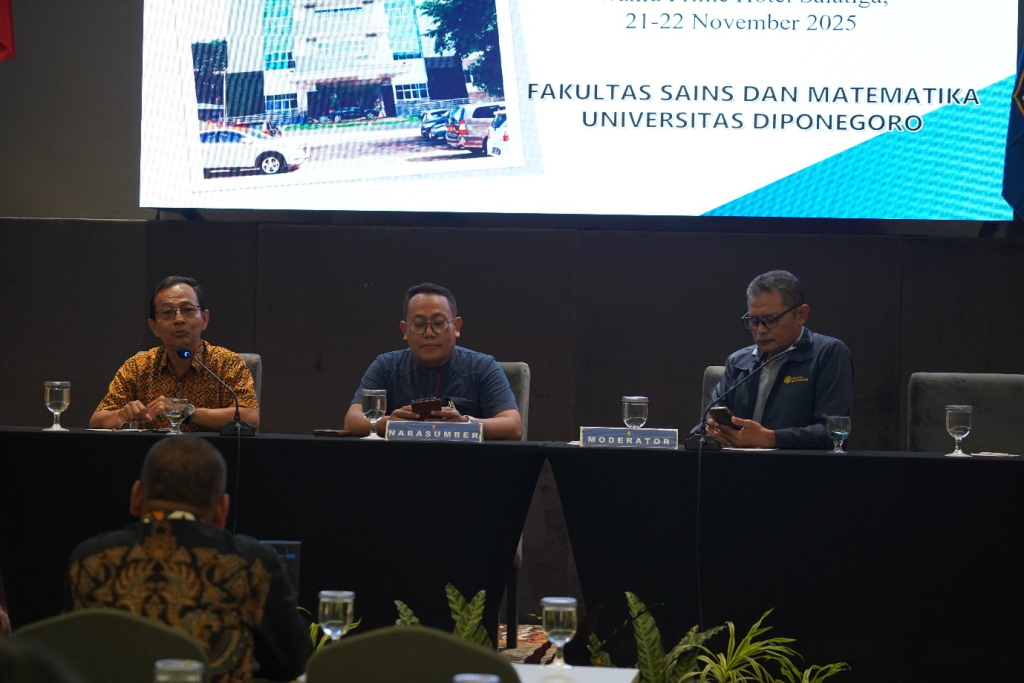
After the opening session, the heads of departments presented the achievements of the Strategic Plan’s Key Performance Indicators (IKU Renstra) and WCU 2025, along with strategic directions towards the 2026 targets. The presentations captured the progress of each department in terms of publications, student outputs, partnerships, and other reputation indicators that support the faculty’s performance. Through the discussions that followed, workshop participants identified key challenges in each department and formulated follow-up actions so that strategies for achieving IKU and WCU can be implemented in a more systematic and measurable manner.
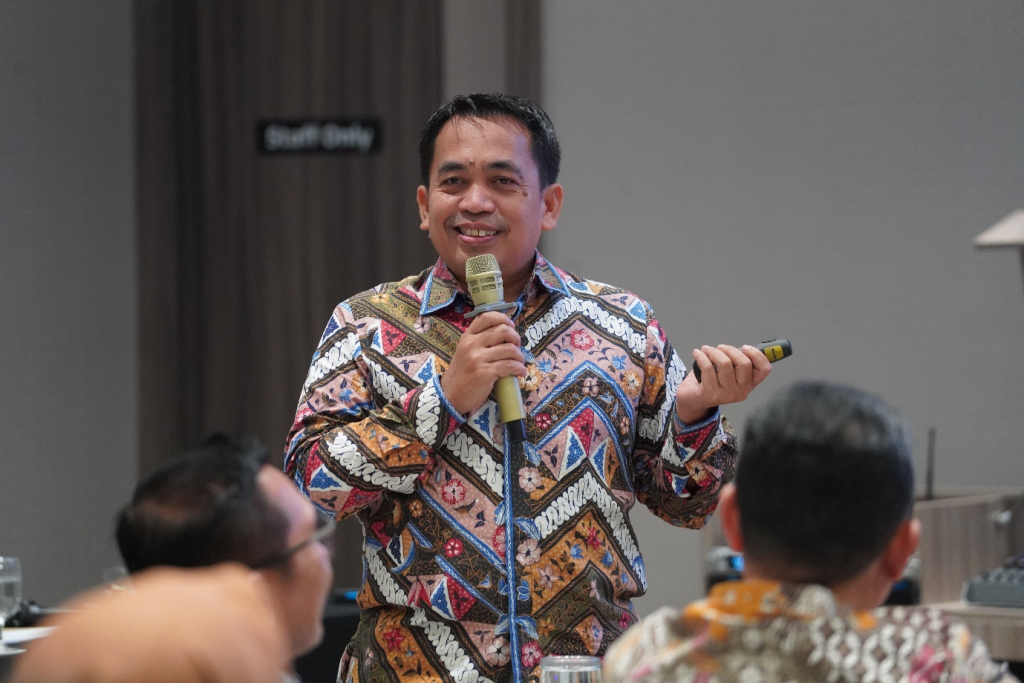
In the next session, Prof. Dr. Ir. Hadiyanto, S.T., M.Sc., IPU, as Director of Reputation, Partnerships, and Global Connectivity at UNDIP, delivered material on improving the QS World University Rankings by Subject for the natural sciences and mathematics cluster. He explained the QS assessment methodology, which includes components of academic reputation, employer reputation, citations per paper, H-index, and international research network, and highlighted the importance of each indicator for an institution’s global standing. In his presentation, Prof. Hadiyanto also explained the publication threshold that must be met for an institution to be included in the QS by Subject assessment and mapped the five FSM disciplines—Statistics, Mathematics, Physics, Chemistry, and Biology—that are covered in this scheme. This explanation provided a concrete picture of the steps that study programs need to take, particularly in increasing publication productivity and international research collaboration.
At the end of the first day, the program continued with independent work sessions on MBKM and tracer study by each study program. These sessions were used to update data, align reporting with the faculty’s needs, and ensure that indicators related to student mobility and alumni tracking are properly recorded. Structured data updating is expected to strengthen the information base that underpins strategic planning and reporting for IKU and WCU.
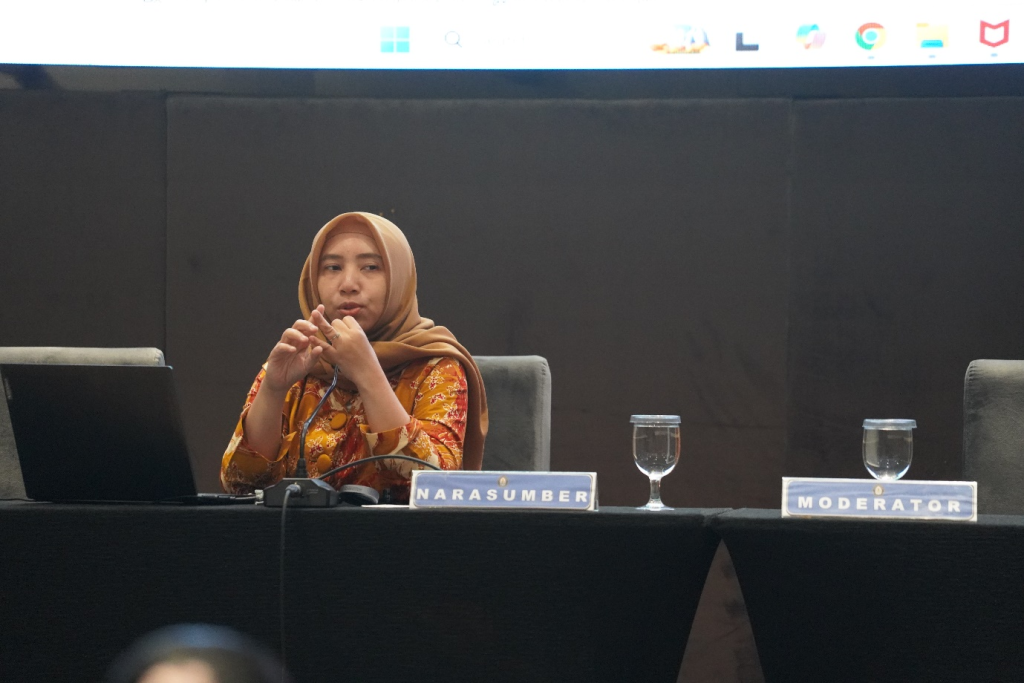
Activities on the second day continued with a presentation on guidelines for Research and Community Service for Fiscal Year 2026 by Prof. Yayuk Astuti, S.Si., Ph.D. The material covered general and technical provisions for proposal preparation, funding mechanisms, as well as research and community service policy directions that support institutional priorities and the strengthening of academic reputation. After the series of sessions concluded, the event was closed by the Dean of FSM, who once again stressed that various reputation indicators, including QS rankings, ultimately depend heavily on the strength of publications and research networks. He expressed hope that improving publication quality, international collaboration, and data governance would drive FSM UNDIP’s WCU achievements in a better and more sustainable direction.
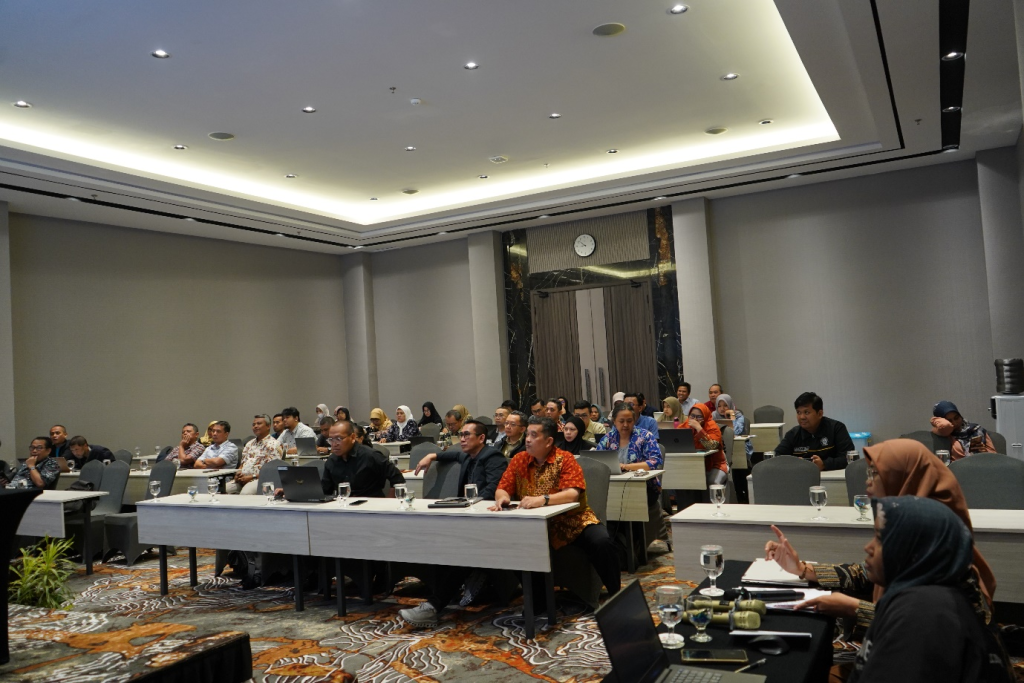
Through the implementation of this two-day workshop, FSM UNDIP reaffirmed its commitment to being a faculty that excels in research, education, and community service. Strengthening strategies to achieve IKU, WCU, and QS by Subject is aimed not only at enhancing reputation at the national and international levels, but also at ensuring that all departments and study programs continue to make real contributions to the advancement of science and the progress of society at large.