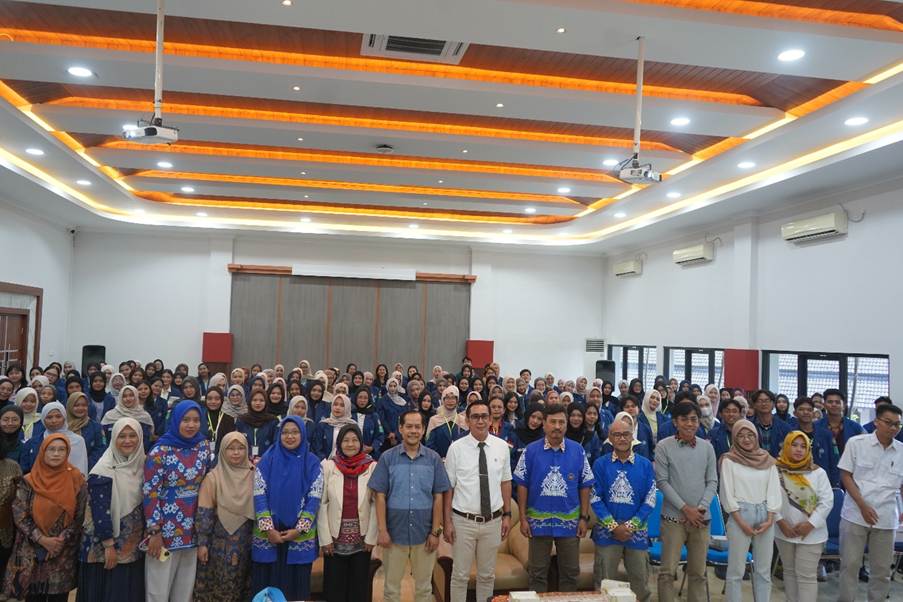
The Faculty of Science and Mathematics (FSM), Universitas Diponegoro, welcomed a Field Study and Observation Visit from the Faculty of Mathematics and Natural Sciences, University of Lampung, on Monday, 6 April 2026, at the 3rd Floor of the FSM UNDIP Dean’s Building. The visit served as an important occasion to strengthen academic networks while opening broader opportunities for collaboration between the two institutions.
This visit was not only a forum for presenting academic profiles, but also a space for discussion on the development of education, research, community service, and student affairs amid the rapid advancement of science and technology. Through this meeting, both institutions were expected to exchange experiences, best practices, and ideas for future institutional development.
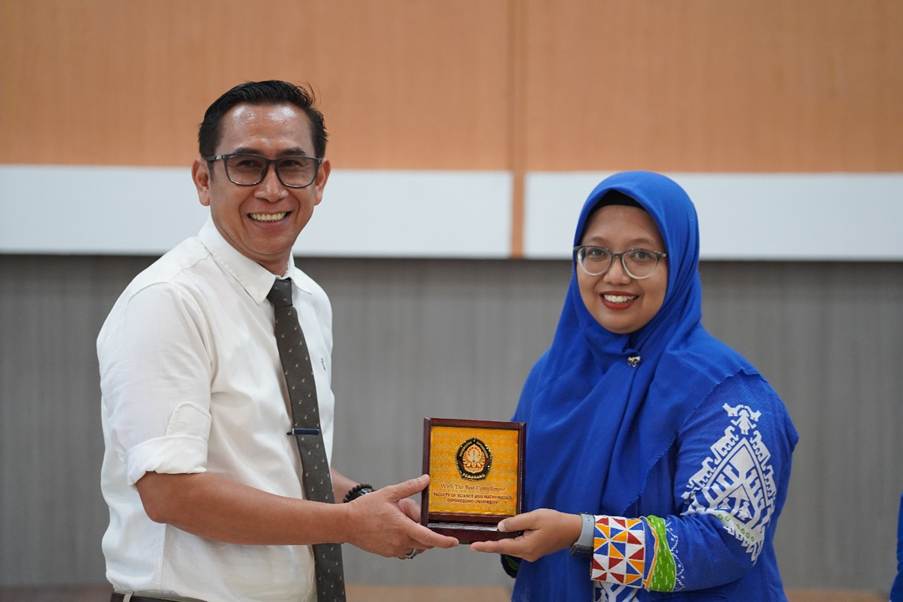
In his remarks, Prof. Dr. Ngadiwiyana, S.Si., M.Si., Vice Dean for Academic and Student Affairs of FSM UNDIP, stated that the occasion could be utilized to expand collaboration in various fields, ranging from research and education to student affairs and community service. He emphasized that the development of science and technology requires higher education institutions to be increasingly open to synergy and inter-institutional cooperation. Therefore, all participants were encouraged to actively engage in the discussion and view the meeting as the beginning of productive collaboration.
Meanwhile, Drs. Suratman Umar, M.Sc. from the Faculty of Mathematics and Natural Sciences, University of Lampung, expressed in his remarks that this scientific visit was a valuable opportunity for participants to learn directly from Universitas Diponegoro. He invited participants to explore as much information as possible during the visit, including asking questions about UNDIP’s achievements, management, and academic development. He also hoped that the visit would provide insights and inspiration beneficial to the development of their home institution.
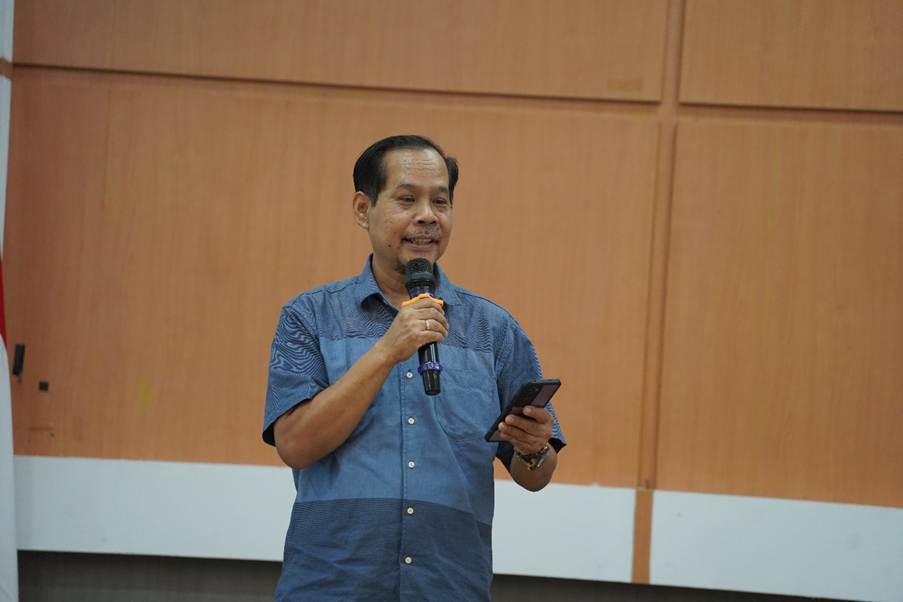
The presentation session began with Prof. Drs. Sapto Purnomo Putro, M.Si., Ph.D., who introduced the Undergraduate Biology Study Program of FSM UNDIP. His presentation highlighted the program’s achievements and strengths, including accreditation status, vision and objectives, graduate profiles, curriculum, faculty resources, laboratory facilities, and collaborations in the three pillars of higher education.
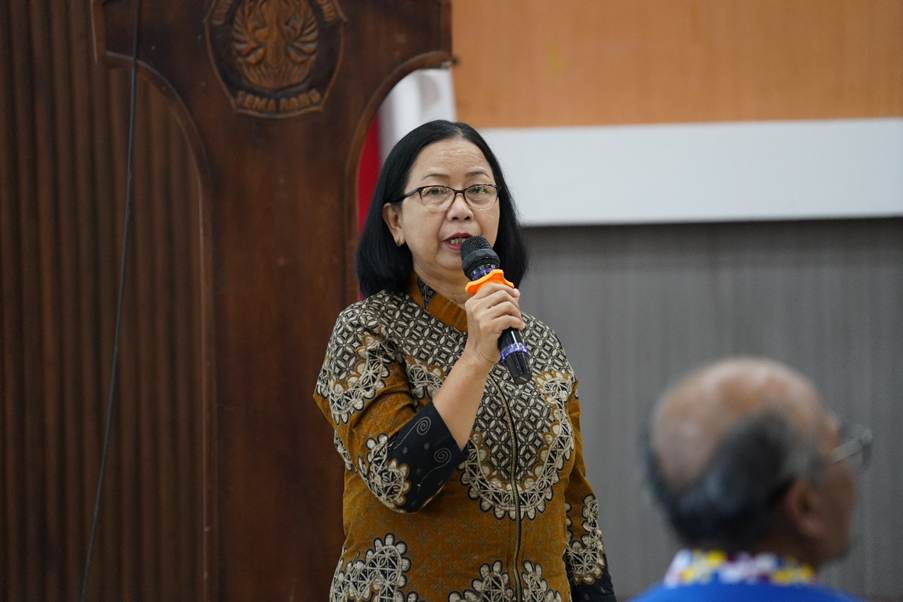
The second presentation was delivered by Dr. Dra. Agung Janika Sitasiwi, M.Si., who introduced the Laboratory of Animal Structure and Function Biology (BSFH), including its scope of study, experimental animals, research themes, and laboratory collaborations with various national and international institutions. Research topics presented included hyperlipidemia, hyperglycemia, antifertility, feed additives, phytotherapy, pollutant effects, nutrient physiology, reproductive biology, pathobiology, toxicology, and cell assay.
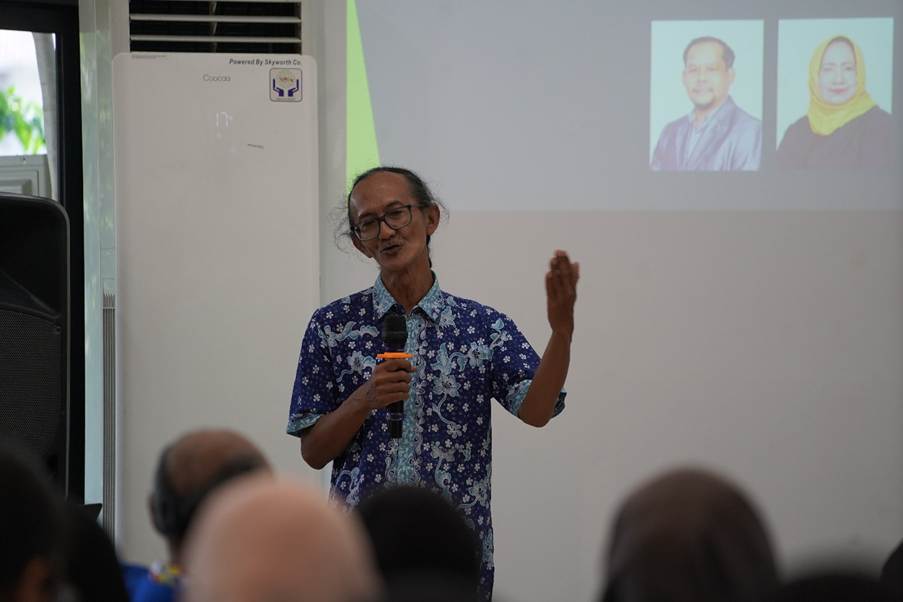
Next, Dr. Karyadi Baskoro, S.Si., M.Si. presented the profile of the Ecology Laboratory, highlighting the lecturers and their fields of expertise, ranging from marine biology, biomonitoring, ecotourism, ethnobotany, taxonomy and biosystematics, to wildlife ecology. The session also introduced several research clusters and focus areas such as Ce-MEBSA, CPalim, the Marine Biodiversity Survey of Southeast Asia, molecular ecology research, and biodiversity initiatives that represent the strengths of the Department of Biology at FSM UNDIP.
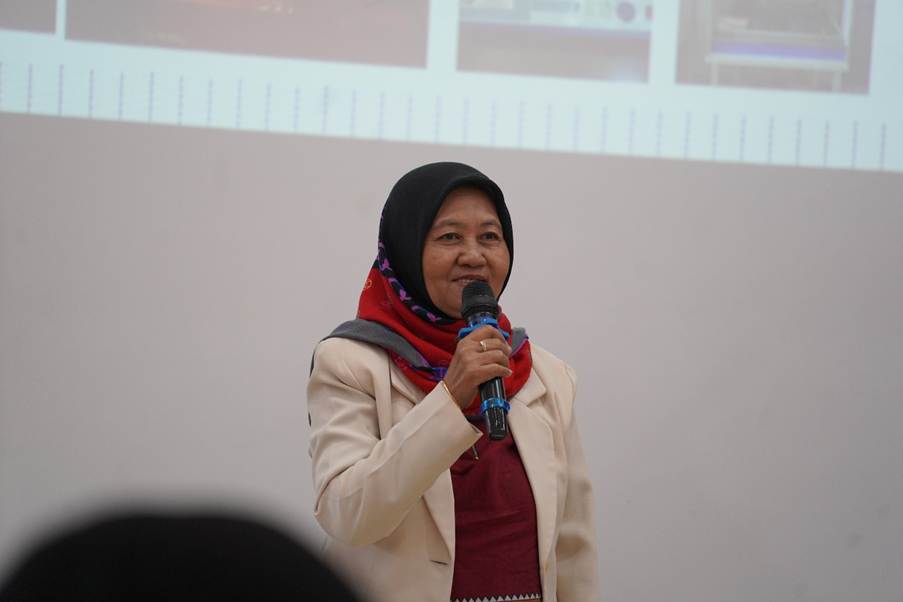
The presentations continued with Prof. Dr. Dra. Endang K., DEA, who introduced the lecturers of the Biotechnology Expertise Group in the Department of Biology. Her presentation emphasized the role of the Biotechnology Laboratory as a supporting facility for learning, student and faculty research, as well as community service activities. The fields of study presented included microbiology, genetics, and biochemistry, along with directions for basic, applied, and developmental research relevant to academic needs and society.
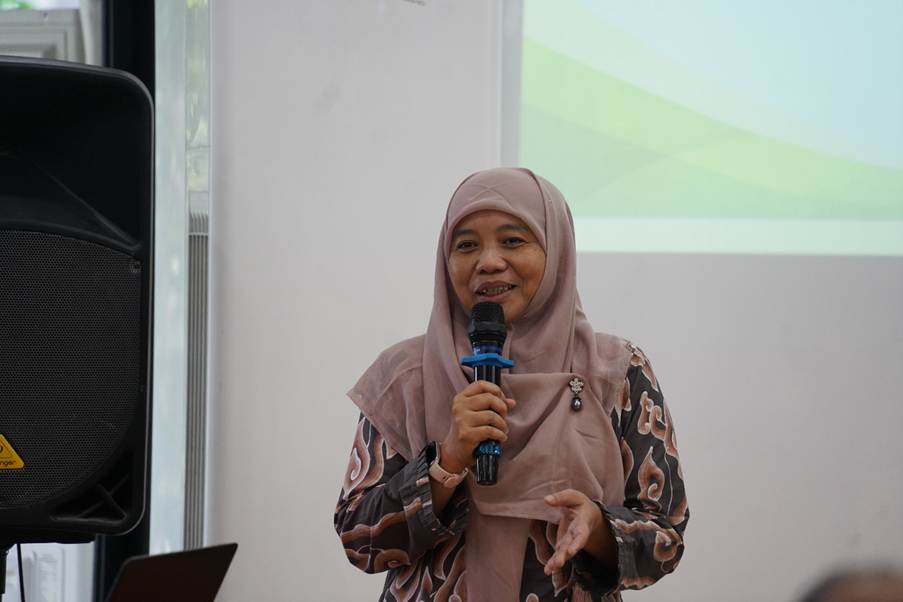
As the closing presentation, Dr. Nintya Setiari, M.Si. introduced the Plant Structure and Function Biology Laboratory. The presentation described various practicum activities, laboratory facilities, research spaces for students and lecturers, as well as the research focus of the academic staff in plant physiology, anatomy, tissue culture, and plant development.
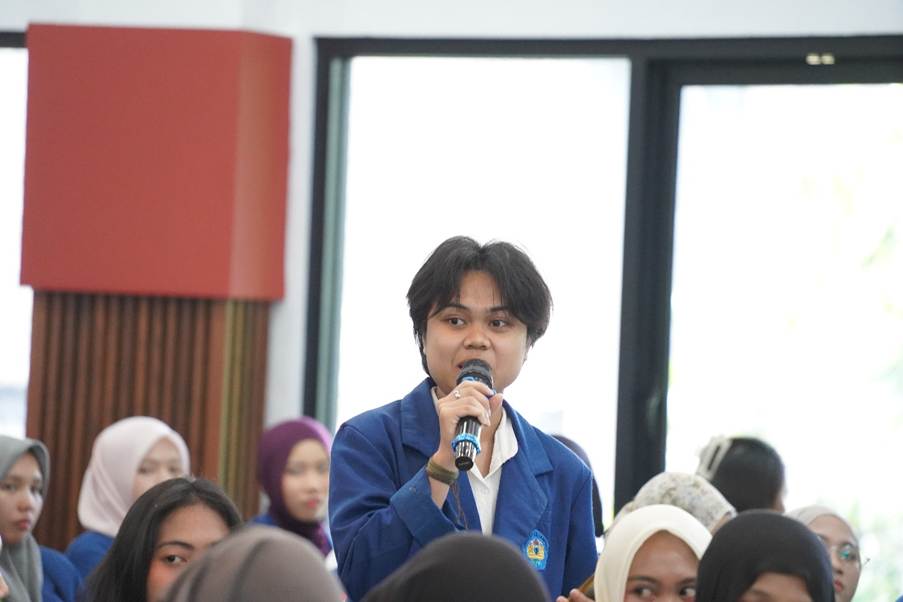
After all presentations had concluded, the event continued with an interactive discussion and question-and-answer session. Through this forum, participants had the opportunity to gain deeper insights into the academic and research aspects that had been presented. This scientific visit is expected to become a positive starting point for strengthening inter-institutional cooperation and encouraging tangible collaboration in education, research, community service, and student affairs.