Bedono Village, located in Sayung Subdistrict, Demak Regency, is one of the coastal areas most severely affected by tidal flooding (rob) and coastal erosion along the northern coast of Java. Over the past two decades, tidal flooding has inundated homes, public facilities, and community spaces, forcing most residents to relocate. A total of 268 households have been relocated between 1999 and 2007, leaving only a small number of families who chose to remain. The shoreline of Bedono continues to retreat each year, making the village a vivid example of rapid environmental change in the North Coast region.
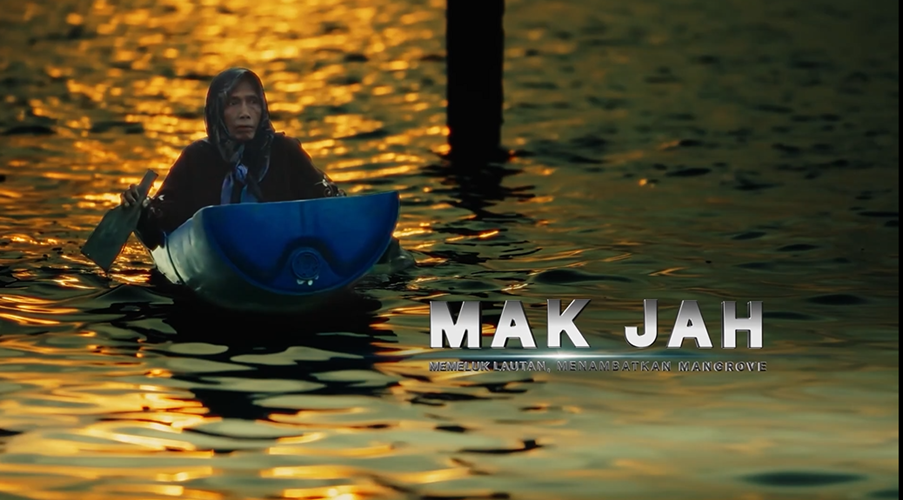
Amidst this situation, one family still remains in Tambaksari Hamlet—Pasijah, or widely known as Mak Jah, together with her husband and child. Their house is the last inhabited building in the hamlet and is directly exposed to waves during high tide. To protect her home, Mak Jah planted mangrove trees as a natural buffer. Mangroves do not only reduce wave impacts and slow erosion, but also provide habitat for birds, fish, and blue swimming crabs, thereby supporting ecological sustainability in the coastal area. Mak Jah’s resilience in cultivating mangroves and persisting through environmental changes has made her story a symbol of coastal community endurance.
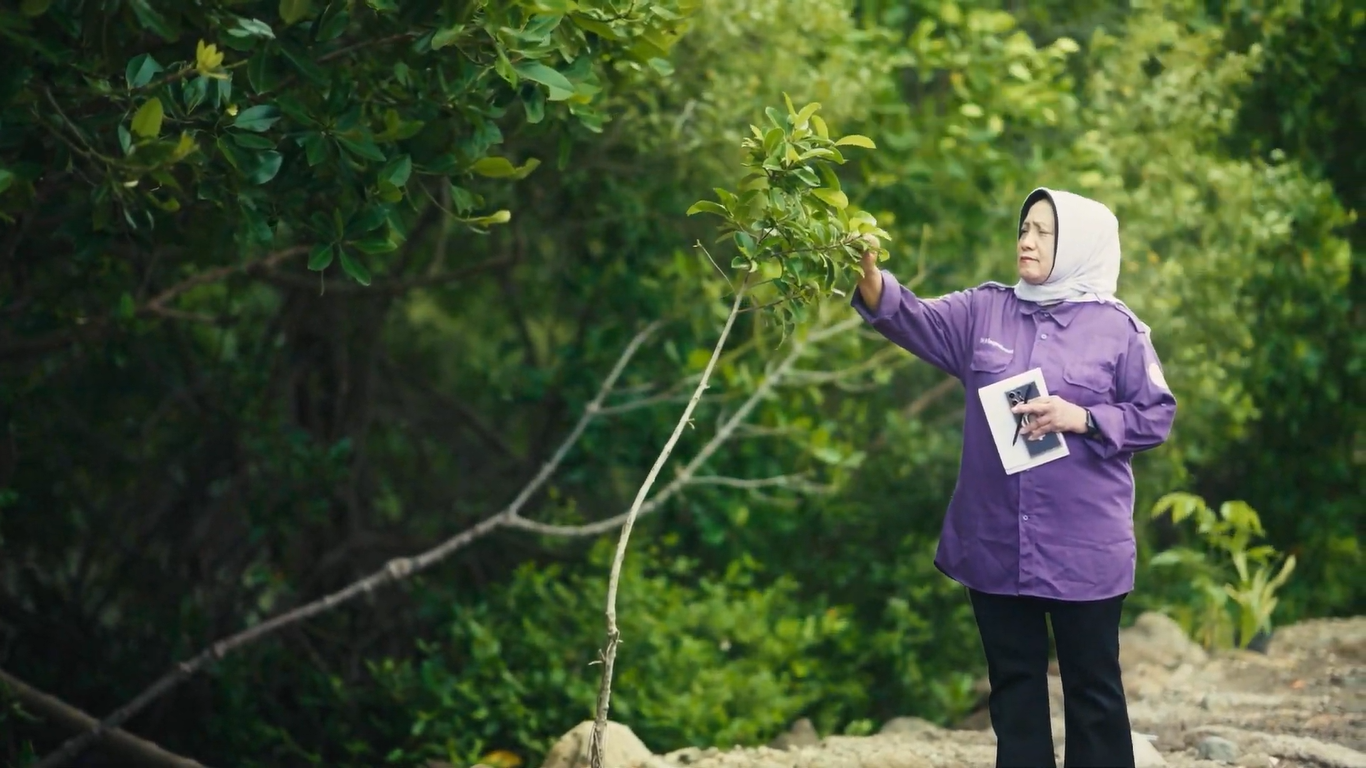
Bedono has since developed into a living laboratory with benefits for science and education. Since 2022, the Faculty of Science and Mathematics (FSM) Universitas Diponegoro, through the Cluster for Paleolimnology (CPalim), has established Bedono as a living lab for developing ecosystem-based approaches or Nature-Based Solutions (NbS). This initiative is led by Prof. Dr. Tri Retnaningsih Soeprobowati, M.App.Sc., Professor of FSM UNDIP and Founder of CPalim. Through the living lab approach, Bedono has become a shared learning space for academics, communities, local government, and other stakeholders to strengthen socio-ecological resilience in coastal areas.
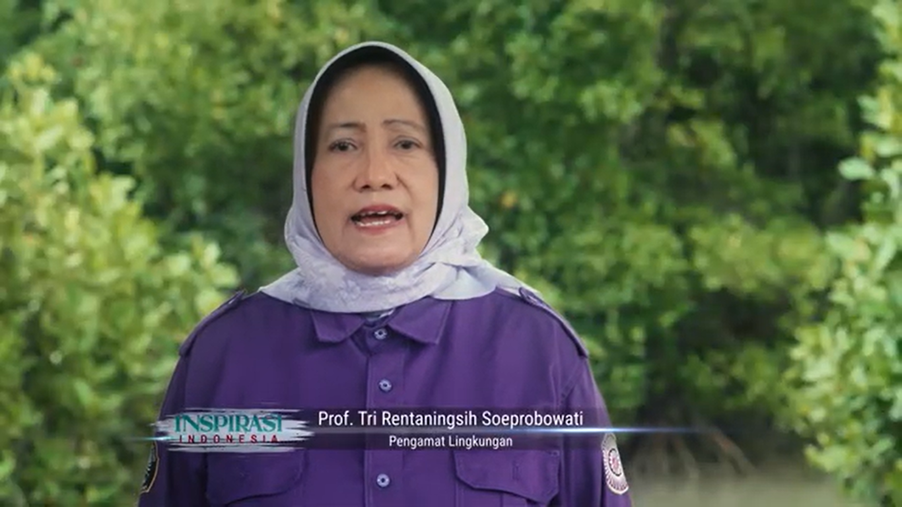
According to Prof. Tri Retnaningsih, the spirit and resilience demonstrated by Mak Jah in cultivating mangroves serve as an important reminder that environmental conservation and climate adaptation efforts must involve local communities and engage multiple stakeholders. This collaborative approach creates a platform for dialogue between academics, local communities, and government actors in formulating sustainable coastal adaptation strategies.
The story of Bedono shows that environmental crises are not merely technical issues, but also concern living space, local knowledge, and the socio-ecological sustainability of coastal communities. FSM UNDIP hopes that the Bedono living lab can inspire similar initiatives in other coastal regions and strengthen cross-sector collaboration to support long-term resilience and sustainable improvement for the future of the North Coast.