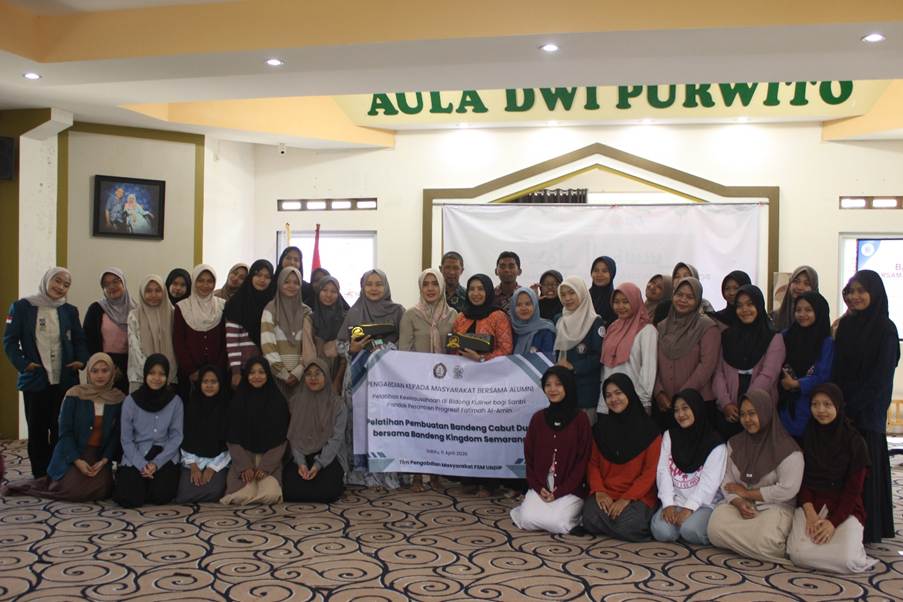
The Faculty of Science and Mathematics (FSM) at Diponegoro University, through its Community Service Team in collaboration with alumni, organized a Milkfish Deboning Training for students of Pondok Pesantren Progresif Fathimah Al-Amin on Saturday, April 11, 2026. This activity is part of the implementation of the university’s tridharma, particularly in community service, focusing on skill development and empowerment of the students.
The training was supported by the Equity World Class University funding program of UNDIP and involved collaboration with FSM UNDIP alumni and a business partner, Bandeng Kingdom Semarang. The event was attended by lecturers from the Department of Chemistry FSM UNDIP, namely Yayuk Astuti, Adi Darmawan, and Muhammad Badrul Huda, who provided academic support throughout the program.
In addition, the involvement of FSM UNDIP alumni played an important role in this activity. Ratih Rizki Nirwana, a Chemistry alumna from the class of 1999 who is currently a lecturer at UIN Walisongo Semarang and also the manager of Pondok Pesantren Progresif Fathimah Al-Amin, helped facilitate the implementation of the program within the pesantren environment. Meanwhile, Farida, a Chemistry alumna from the class of 1994 and the owner of Bandeng Kingdom Semarang, participated as a practitioner partner, sharing hands-on experience in processing milkfish into value-added products.
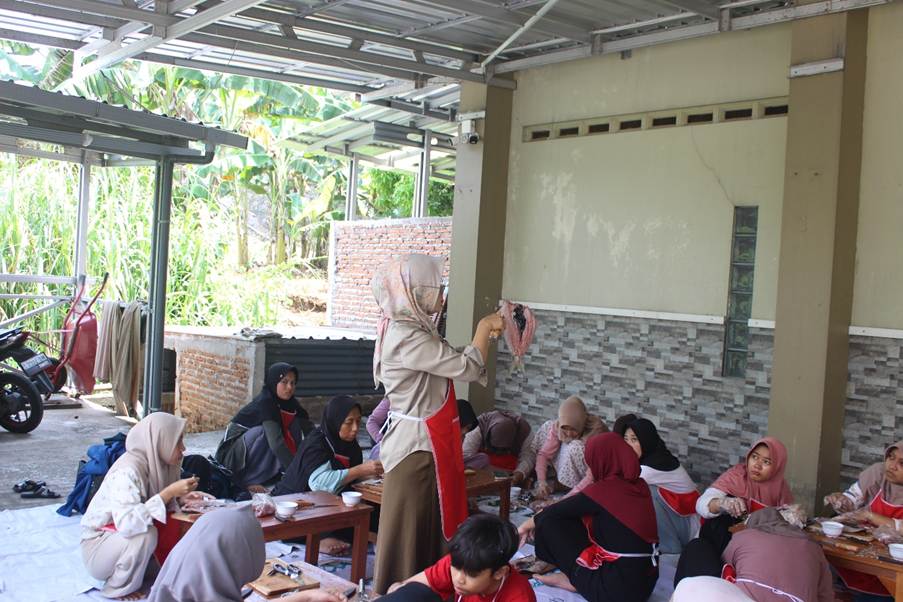
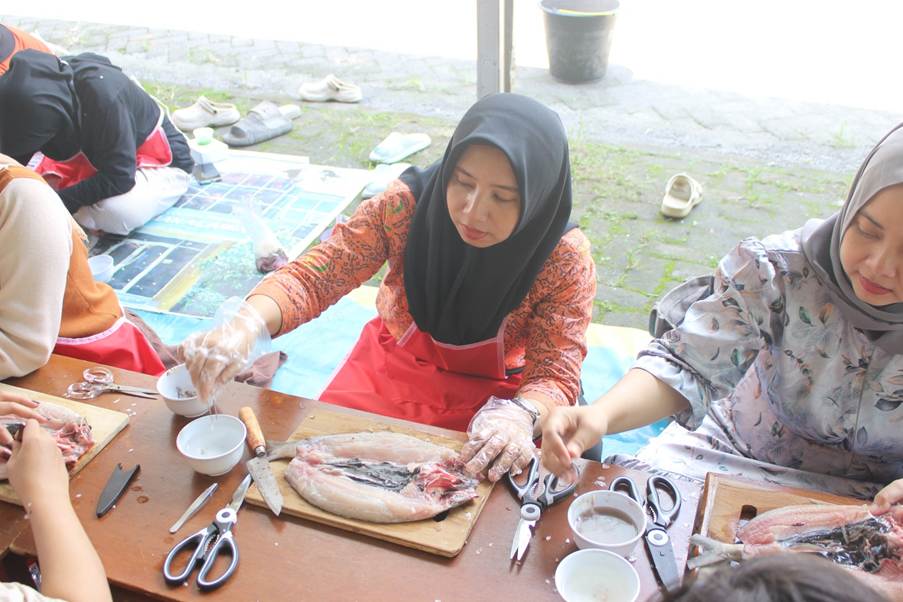
During the training, students received both theoretical knowledge and hands-on practice in deboning milkfish using simple tools such as tweezers. The process required precision to ensure the fish meat remained intact, resulting in deboned milkfish products that are safer to consume and have higher economic value.
Beyond technical skills, participants also gained insights into business opportunities based on processed fish products. Milkfish, as a widely cultivated commodity in Indonesia, holds significant potential to be developed into high-value products, providing an opportunity for students to build economic independence in the future.
The activity was conducted interactively through a hands-on approach, encouraging participants to actively engage in every stage of the process. The students’ enthusiasm was evident from their active participation, from preparation to final results, reflecting a strong interest in developing practical and applicable skills. Through this activity, FSM UNDIP hopes to make a tangible contribution to community empowerment, particularly within the pesantren environment. The collaboration between lecturers, alumni, and business partners is also expected to continue growing, leading to sustainable community service programs with broader societal impact.