

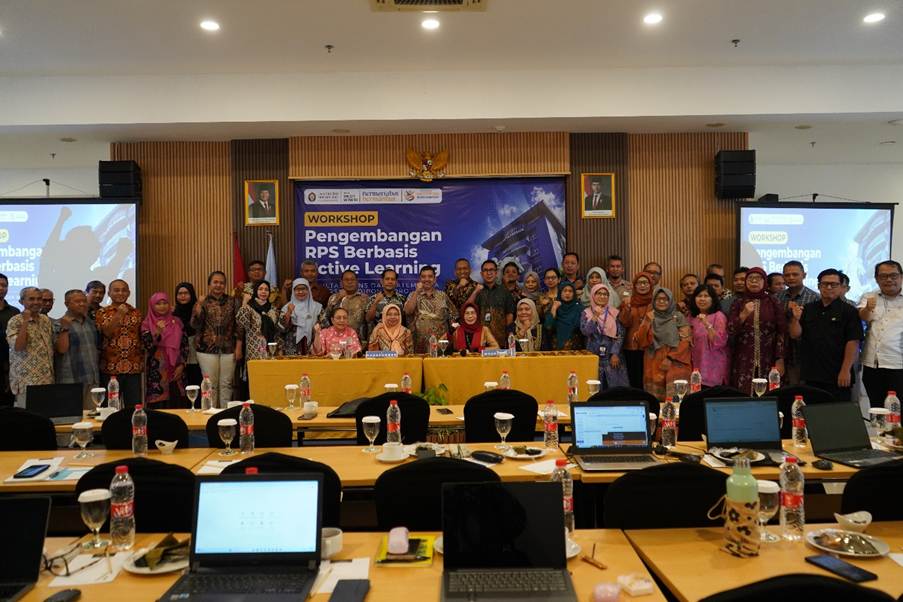
The Faculty of Science and Mathematics (FSM), Universitas Diponegoro, held a Workshop on the Development of Active Learning-Based Semester Learning Plans (RPS) on Thursday, May 21, 2026, at the Ballroom of Hotel Antawirya Horison Inn Tembalang, Semarang. This activity was carried out as an effort to strengthen the quality of learning within FSM UNDIP through the preparation of Semester Learning Plans aligned with the principles of Outcome-Based Education (OBE) and active learning approaches.
The workshop was attended by faculty leaders, heads of study programs, heads of the Quality Assurance Groups (GPM), lecturer representatives from each study program, and related teams within FSM UNDIP. Each study program was asked to prepare one Semester Learning Plan for a selected course, equipped with assignments based on Case-Based Learning (CBL), Problem-Based Learning (PBL), or Project-Based Learning (PjBL), to be discussed and reviewed during the activity.
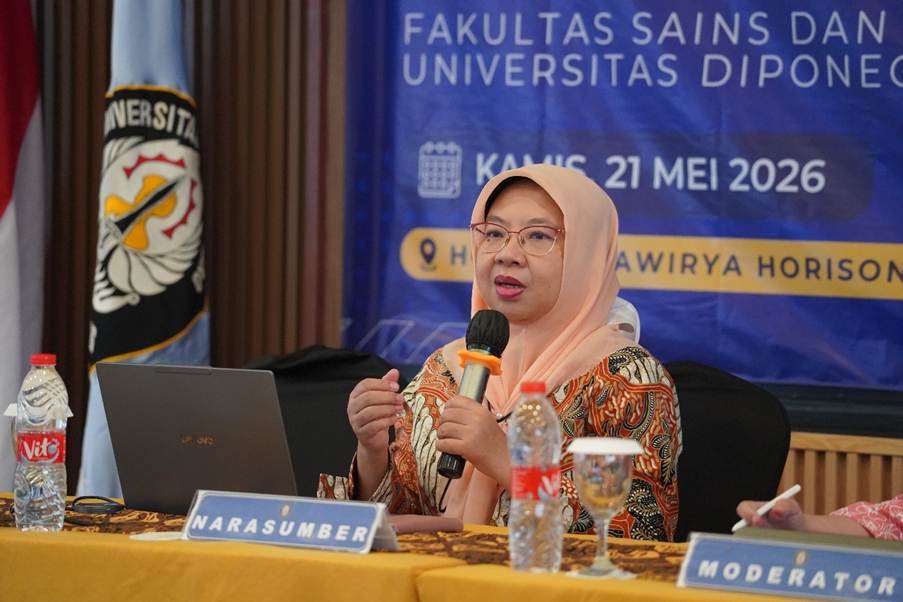
The main material was delivered by Dr. Ir. Naniek Utami Handayani, S.Si., M.T. from LP2MP Universitas Diponegoro. In her presentation, she emphasized that the preparation of OBE-based Semester Learning Plans must consider the alignment between learning outcomes, learning activities, and assessment. These three components must be clearly designed so that the learning process focuses not only on the delivery of material, but also on the achievement of student competencies.
Through the Student-Centered Learning (SCL) approach, students are placed at the center of the learning process. This approach emphasizes active learning, deep understanding, and increased student responsibility and independence in learning. In this context, CBL, PBL, and PjBL are relevant methods to encourage students to analyze cases, solve open-ended problems, and produce products or solutions through project-based activities.
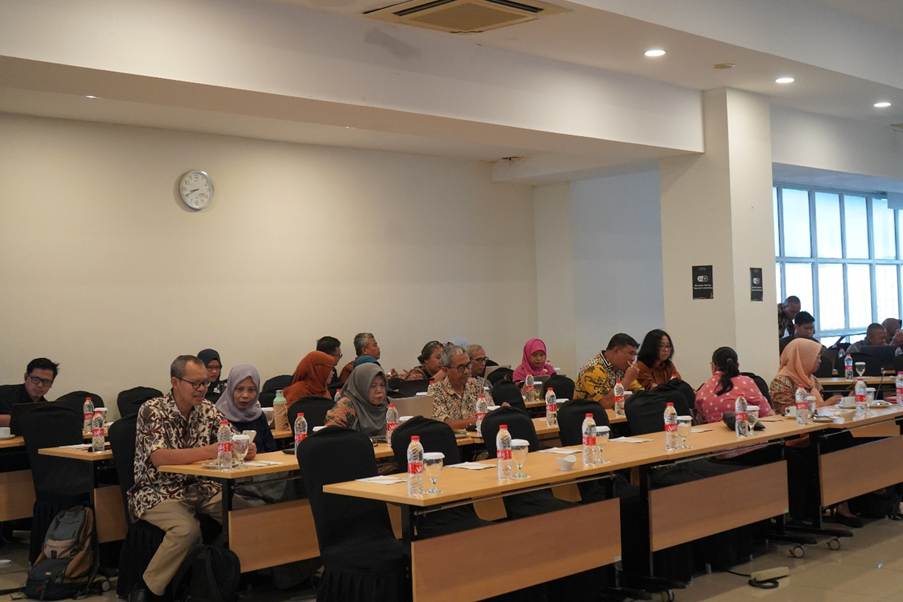
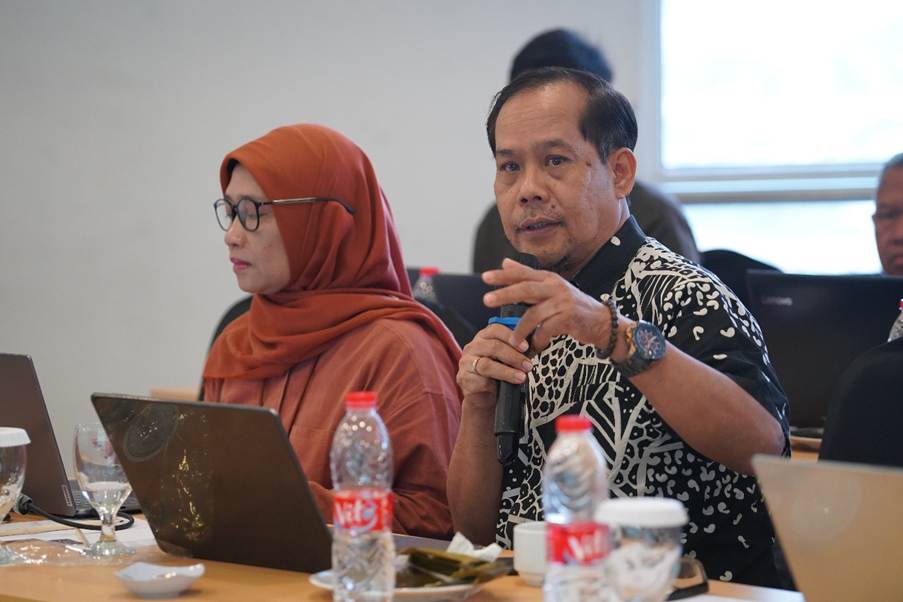
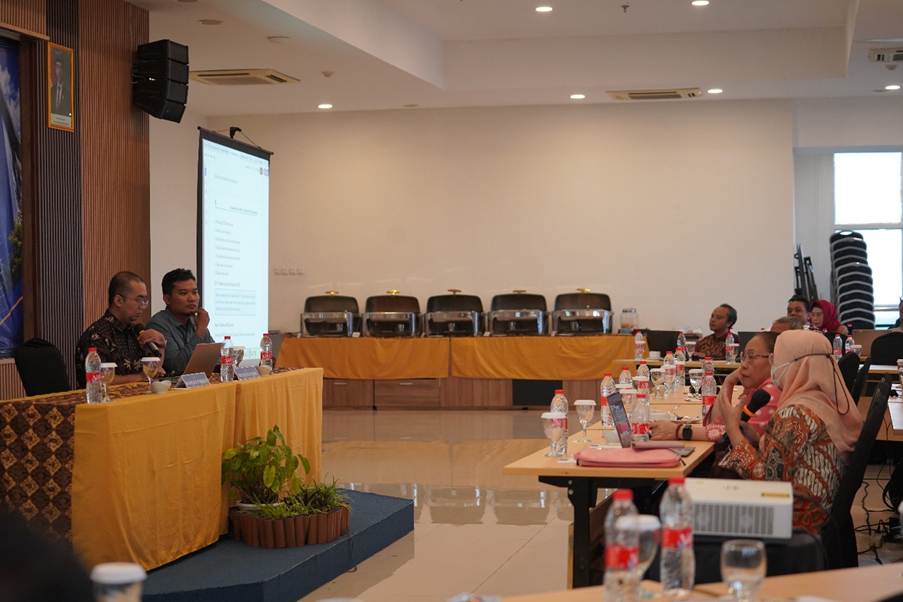
The workshop did not only consist of material presentations, but also included the practice of developing and reviewing Semester Learning Plans from various study programs. Several examples discussed included Physical Measurement Methods from the Undergraduate Physics Program, Biosystematics from the Undergraduate Biology Program, Database from the Undergraduate Informatics Program, Nonparametric Regression Analysis from the Undergraduate Statistics Program, Microbial Pesticides-Biological Control from the Undergraduate Biotechnology Program, Medical Biochemistry from the Master’s Program in Chemistry, as well as several other courses from other study programs.
During the discussion session, each study program received input regarding the suitability of active learning methods with course characteristics, student readiness, depth of material, assignment formats, and the completeness of assessment rubrics. Several important points emphasized included the need to clarify problem introductions, develop more detailed rubrics, adjust assignment loads to students’ academic levels, and select the most appropriate learning method based on the course learning outcomes.
One of the main outputs of this activity was the development of active learning-based assignment designs for selected courses from each study program. These designs included descriptions of learning activities, sub-learning outcomes, case studies or projects, student assignments, Higher Order Thinking Skills (HOTS)-based questions, report or presentation formats, and assessment rubrics. Therefore, the developed Semester Learning Plans are expected to serve as more applicable, measurable, and competency-oriented learning guidelines.
Through this workshop, FSM UNDIP reaffirmed its commitment to improving the quality of learning based on learning outcomes and student learning experiences. The implementation of active learning is expected to strengthen students’ critical thinking, problem-solving, collaboration, and readiness to face the world of work. As an output of the activity, each study program presented the results of its Semester Learning Plan development to receive input from the LP2MP team as material for refinement and future learning implementation.