

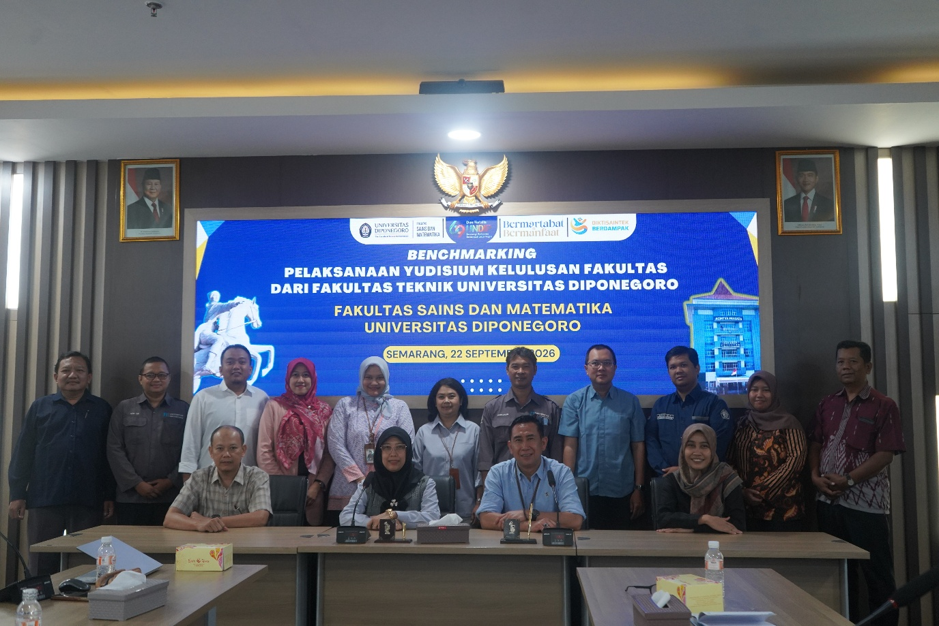
The Faculty of Science and Mathematics, Universitas Diponegoro (FSM UNDIP), welcomed a visit from the Faculty of Engineering, Universitas Diponegoro (FT UNDIP), as part of a benchmarking activity on the implementation of faculty-level yudisium (formal graduation confirmation) on Tuesday, September 22, 2026. The activity was held at the Meeting Room on the 4th Floor of the Acintya Prasada Building, FSM UNDIP.
The activity served as a forum for sharing experiences and best practices related to the implementation of yudisium at the faculty level, covering the concept of the event, implementation mechanisms, program arrangements, and coordination among the units involved.
The delegation from the Faculty of Engineering UNDIP was led by the Vice Dean for Academic and Student Affairs, Prof. Ir. Nita Aryanti, S.T., M.T., Ph.D., IPM., ASEAN Eng., accompanied by the Administrative Manager, the Academic and Student Affairs Supervisor, representatives from the Information Technology and Public Relations management team, as well as representatives from the study program management teams. Meanwhile, FSM UNDIP was represented by the Dean, Prof. Dr. Kusworo Adi, S.Si., M.T., the Vice Dean for Academic and Student Affairs, the Vice Dean for Resources, the Administrative Manager, the Academic and Student Affairs Supervisor, the Resources Supervisor, and other relevant staff members.
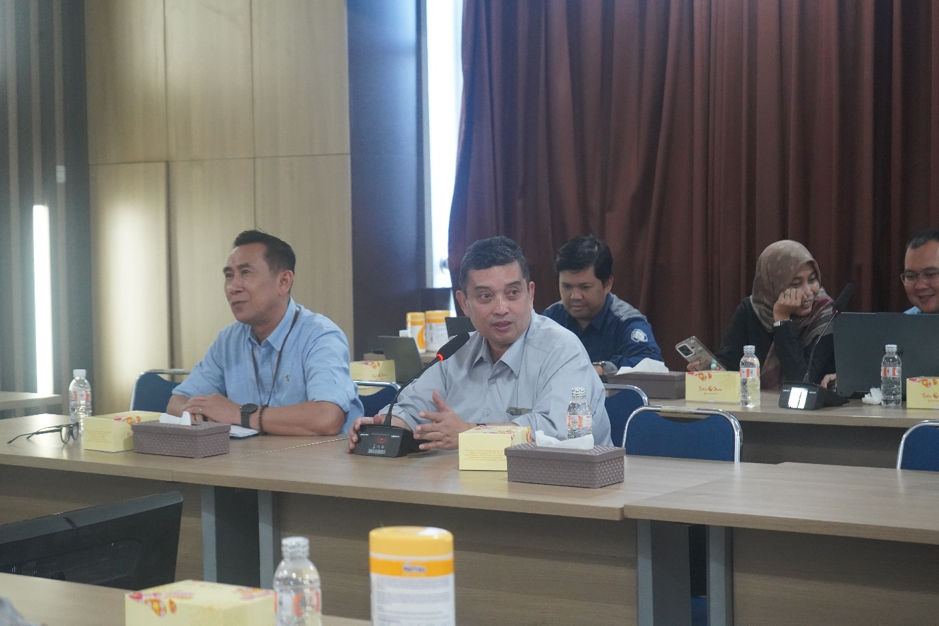
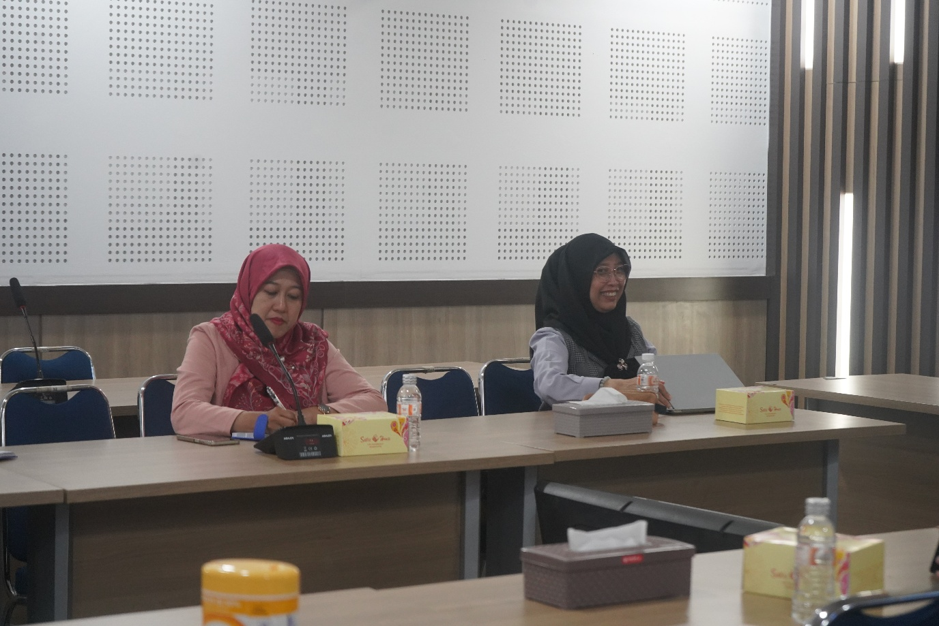
In his remarks, Prof. Kusworo shared FSM UNDIP’s experience in organizing yudisium as part of the academic services provided to students upon completing their studies. The implementation of yudisium at FSM adopts several elements of the university graduation ceremony and also involves faculty leaders and the Chair of the Faculty Academic Senate.
According to Prof. Kusworo, yudisium is not merely a ceremonial activity marking students’ completion of study, but also serves as an important moment for the faculty to express appreciation and strengthen its relationship with graduates.
On the same occasion, the Vice Dean for Academic and Student Affairs of FT UNDIP, Prof. Nita Aryanti, shared the Faculty of Engineering’s experience in organizing yudisium. FT UNDIP had previously conducted yudisium, while in its subsequent development, similar activities were more commonly organized by individual study programs. However, not all study programs have implemented the same organizational model.
The discussion then focused on the technical implementation of yudisium at FSM UNDIP. In response to questions from FT UNDIP’s Academic and Student Affairs team regarding the implementation mechanism, the Vice Dean for Academic and Student Affairs of FSM explained that faculty-level yudisium is based on the commitment to provide students with a complete academic experience throughout their time at the university.
“When students first arrive, we welcome them. When they complete their studies, it is equally important that we give them a proper farewell.”
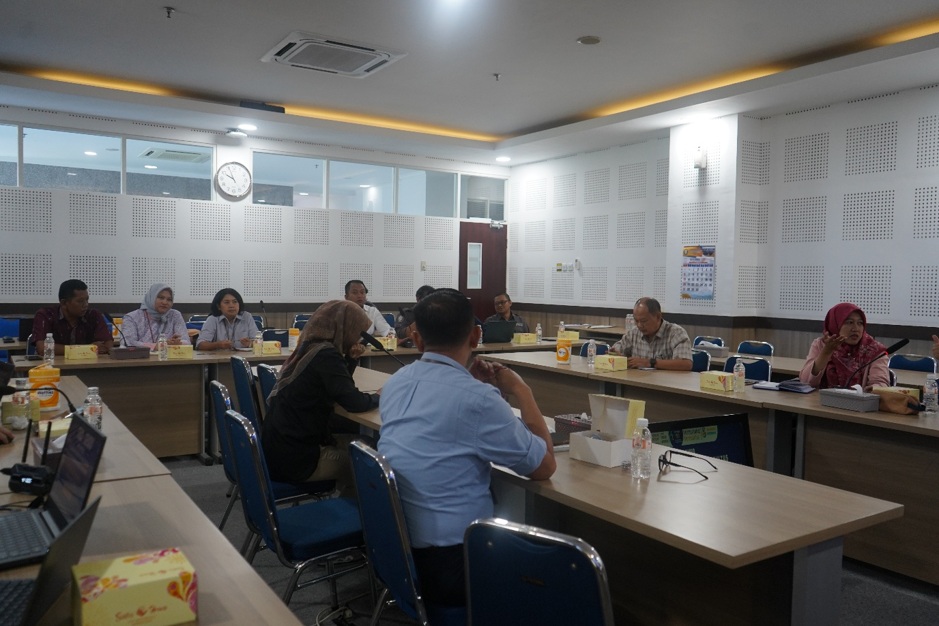
This principle is reflected in the implementation of yudisium at the faculty level. Over time, the series of activities has continued to be adjusted and simplified so that the ceremony is not overly lengthy, while still maintaining its substance and solemnity.
The Academic and Student Affairs Supervisor of FSM UNDIP then provided a more detailed explanation of the flow and rundown of the yudisium activities implemented at FSM. The presentation covered the preparation stage, the ceremonial proceedings, coordination of participants and study programs, as well as the division of responsibilities among the units involved.
The activity continued with a discussion and question-and-answer session between FSM UNDIP and FT UNDIP. During the session, both faculties exchanged experiences regarding various aspects of yudisium implementation and the management of academic services for students approaching the completion of their studies.
Through this benchmarking activity, FSM UNDIP hopes that the best practices it has implemented can serve as a useful reference for the Faculty of Engineering UNDIP in developing a yudisium mechanism suited to its institutional needs. The activity also provided an opportunity to strengthen synergy and knowledge sharing among units within Universitas Diponegoro in continuously improving the quality of academic services for students.