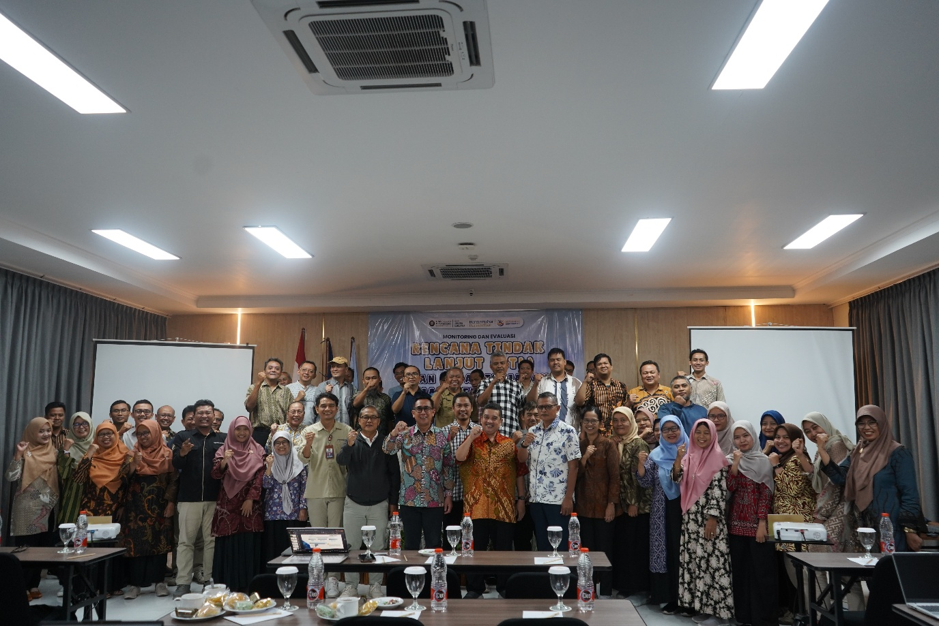
The Faculty of Science and Mathematics, Universitas Diponegoro (FSM UNDIP), held the Monitoring and Evaluation of the Follow-Up Action Plan (RTL) and the 2026 Management Review Meeting (RTM) on Thursday–Friday, September 24–25, 2026, at Horison Resort Antawirya, Jepara. The activities were part of the Faculty’s quality assurance efforts and were attended by faculty leaders, heads and secretaries of study programs, the Faculty Quality Assurance Team (TPMF), Study Program Quality Assurance Units (GPM), and other supporting personnel.
The event was officially opened by the Dean of FSM UNDIP, Prof. Dr. Kusworo Adi, S.Si., M.T. In his remarks, the Dean stated that the RTL monitoring and RTM served as an important opportunity for the Faculty to jointly evaluate various achievements while determining follow-up measures for areas that still required improvement. Several key issues highlighted included increasing the rate of on-time graduation, strengthening the implementation of tracer studies, and improving the achievement of Key Performance Indicators (IKU).
The Dean emphasized the importance of the active involvement of heads of study programs and academic supervisors in encouraging students to complete their studies on time, while also supporting the implementation of tracer studies. Through collaboration among all elements of the Faculty and its study programs, areas that have yet to achieve optimal results are expected to continue improving, including efforts to meet the Faculty’s IKU targets.
“Through this activity, we hope that the various targets that have been set can be achieved together. Support from the Heads of Study Programs, academic supervisors, and all elements of the Faculty is essential, particularly in promoting on-time graduation, strengthening tracer studies, and improving IKU achievements,” he said.
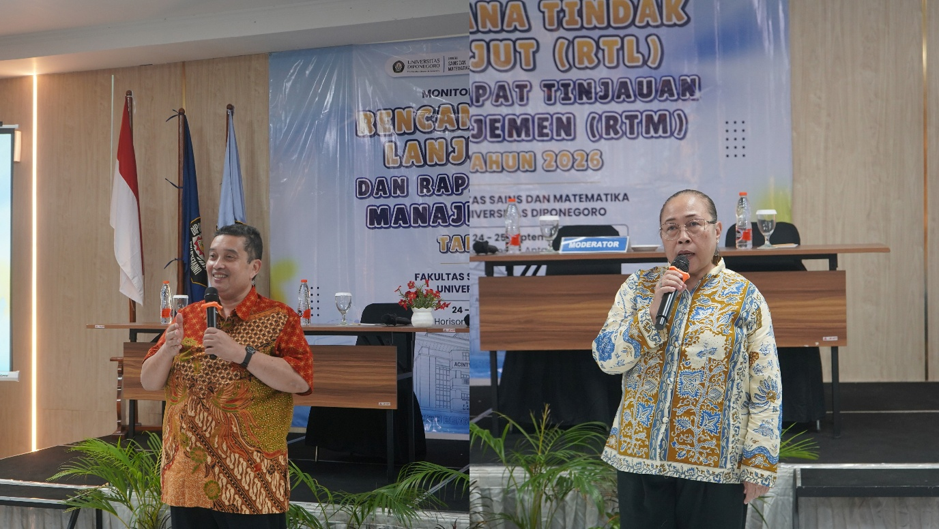
Following the Dean’s remarks, the activity continued with guidance from the Chair of the FSM UNDIP Faculty Quality Assurance Team (TPMF), Prof. Dr. Dwi Hudiyanti, M.Sc. In her remarks, Prof. Dwi emphasized that RTL monitoring should not merely be viewed as an evaluation of documents, but rather as an integral part of the quality assurance cycle that ensures every audit finding is properly followed up. Study programs were encouraged to reassess the effectiveness of the follow-up actions that had been implemented, complete the required supporting evidence, and formulate measurable and sustainable improvement measures.
On the first day, each study program, together with the Quality Assurance Team, monitored the implementation of RTL from previous years. The monitoring process was carried out intensively and concluded with the presentation of results and follow-up actions to serve as material for discussion during the RTM on the following day.
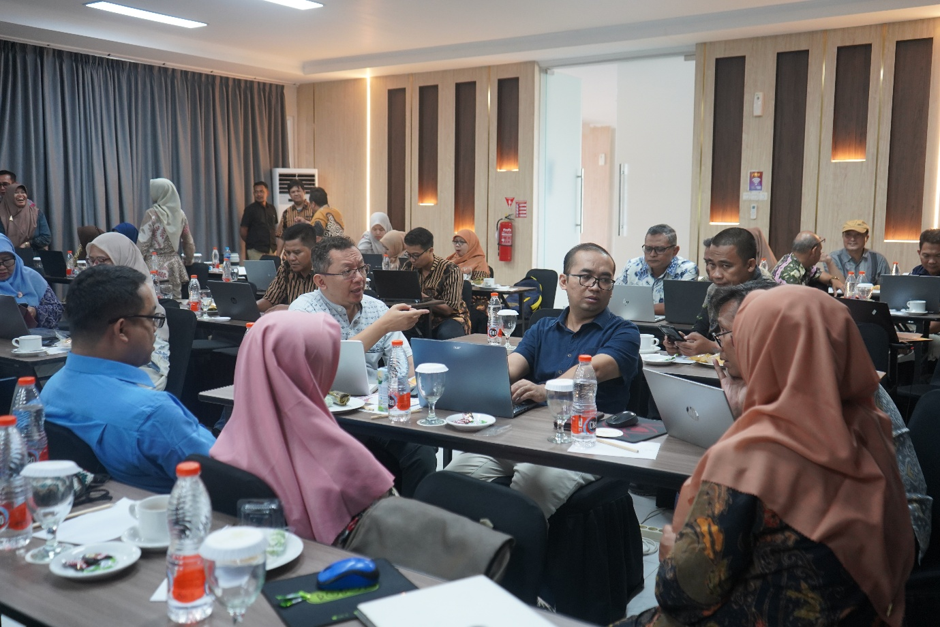
On the second day, Friday, September 25, 2026, the activities focused on the presentation and discussion of the results of the 2026 FSM Internal Quality Audit (AMI). Prof. Dwi Hudiyanti stated that this year’s AMI results demonstrated positive progress. Overall, all study programs achieved a fulfillment rate of above 80 percent, while indicators related to the requirements for “Unggul” (Excellent) accreditation by BAN-PT had been fulfilled.
Six study programs recorded a 100 percent fulfillment rate, namely the Bachelor’s Program in Chemistry, Bachelor’s Program in Mathematics, Bachelor’s Program in Statistics, Medical Physicist Professional Program, Master’s Program in Biology, and Master’s Program in Chemistry. Nevertheless, 13 out of a total of 61 indicators still required further attention across seven study programs. These findings subsequently served as the basis for formulating improvement and development measures within the respective study programs.
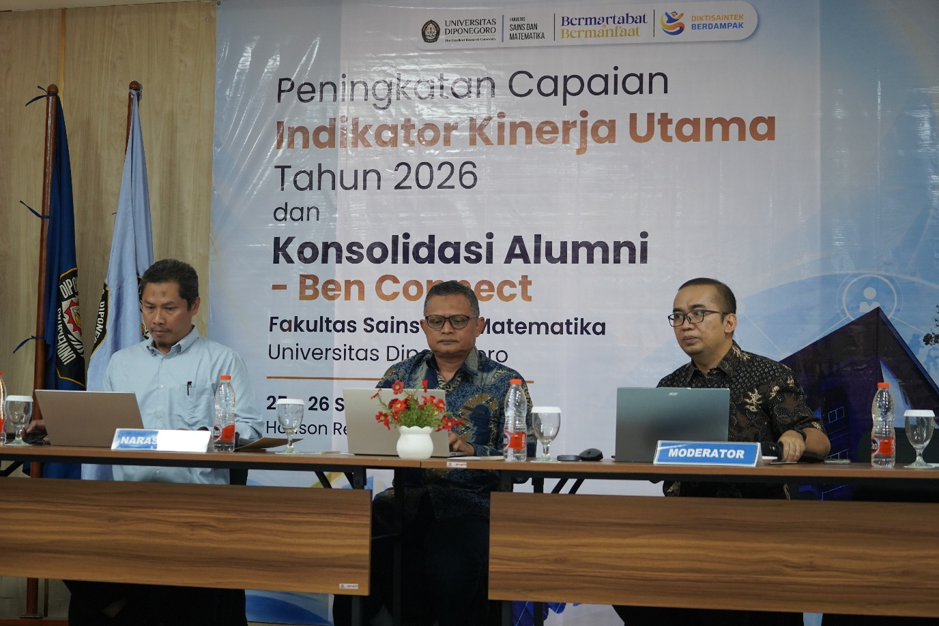
The discussion then continued with the presentation of the RTL recap and reports from the study programs, facilitated by Alan Prahutama, S.Si., M.Si., Ph.D., a member of the FSM UNDIP TPMF. Although six study programs had achieved a 100 percent fulfillment rate, they continued to prepare RTL in the form of further target development as part of ongoing quality improvement efforts.
Several study programs presented their respective follow-up plans, including the Bachelor’s Programs in Biology, Informatics, and Physics; the Master’s Program in Mathematics; and the Doctoral Program in Science and Mathematics. During the discussion session, Faculty leaders and the TPMF provided a number of recommendations, including optimizing the utilization of Faculty administrative staff, regularly archiving supporting evidence for Employee Performance Targets (SKP), providing assistance for student publications, and preparing data-based clarification in the event of differing views with assessors.
In addition, study programs were encouraged to map faculty members as part of efforts to accelerate academic career advancement. Research conducted by lecturers and students is expected not only to result in academic outputs but also to be disseminated more widely through mass media, the Faculty website, and study program websites so that its benefits and impact can be more widely recognized by the public.
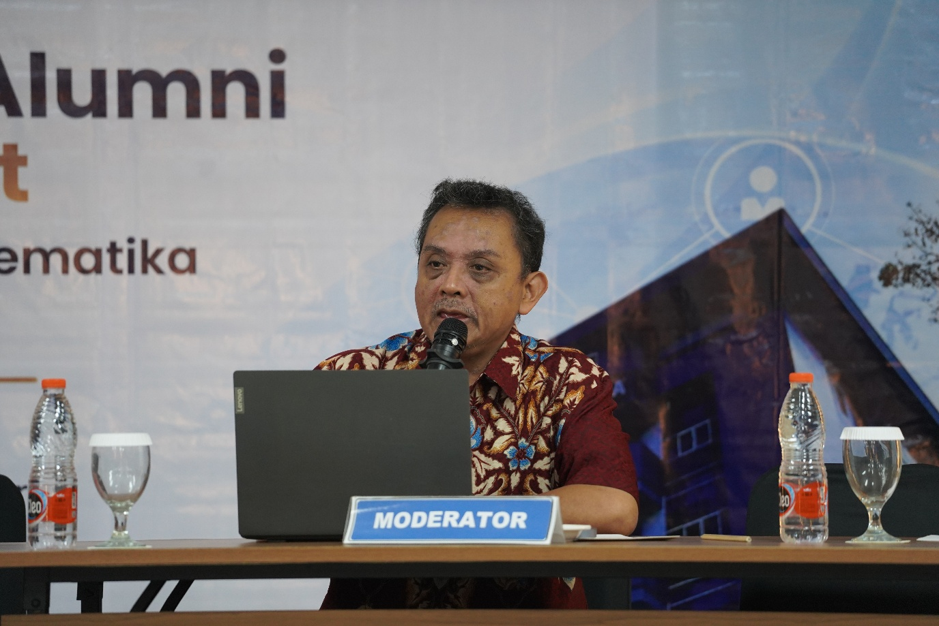
In the following session, Dr. Redemtus Heru Tjahjana, S.Si., M.Si. presented the results of the RTL Monitoring and Evaluation. Qualitatively, the monitoring results indicated that most RTL items had achieved completed status, while several other follow-up actions remained in progress. These results demonstrate the continuity of the quality improvement process while also serving as a reminder that unfinished follow-up actions must continue to be monitored until the established targets are achieved.
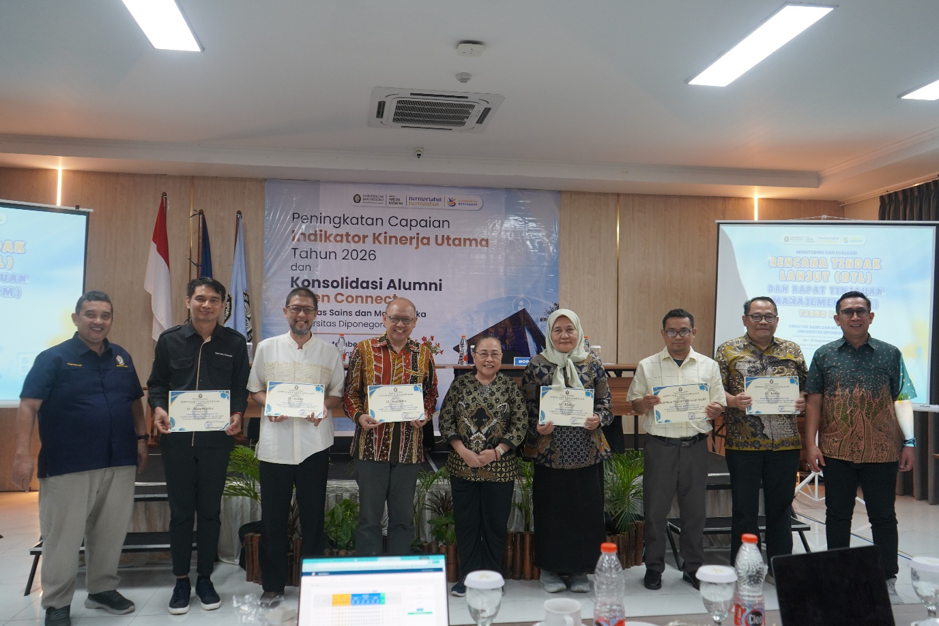
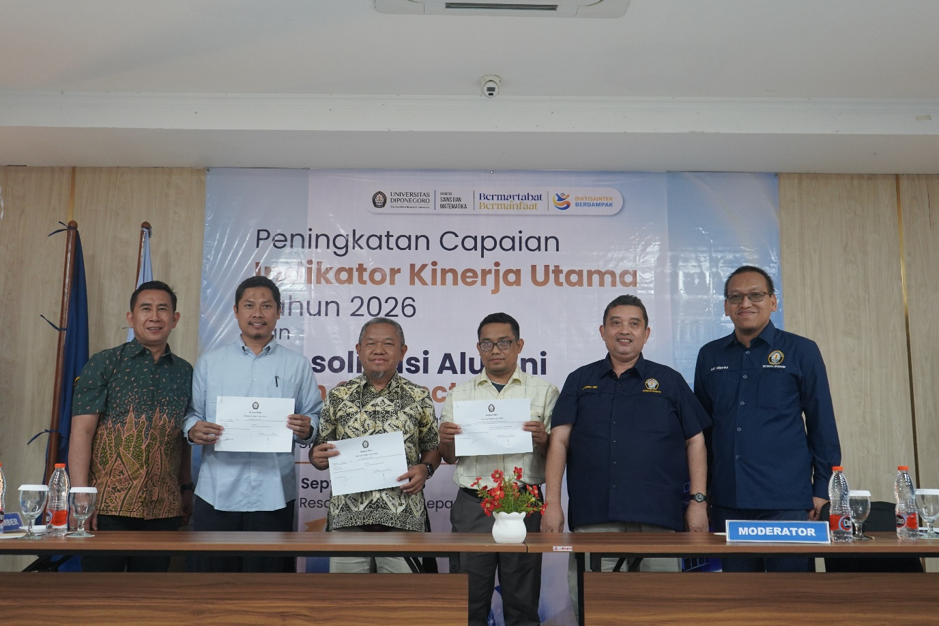
The series of activities then continued with a discussion of the 2026 RTL work program, followed by the signing of RTL documents by the Dean and the Heads of Study Programs. These activities marked the conclusion of the RTL monitoring and RTM series on September 25, 2026.
Through the 2026 RTL Monitoring and Evaluation and Management Review Meeting, FSM UNDIP continues to strengthen its commitment to fostering a sustainable quality culture. The evaluation results and agreements reached during the activities are expected to serve as a foundation for each study program to consistently and measurably improve the quality of education, governance, performance in the three pillars of higher education, and the achievement of the Faculty’s performance indicators.